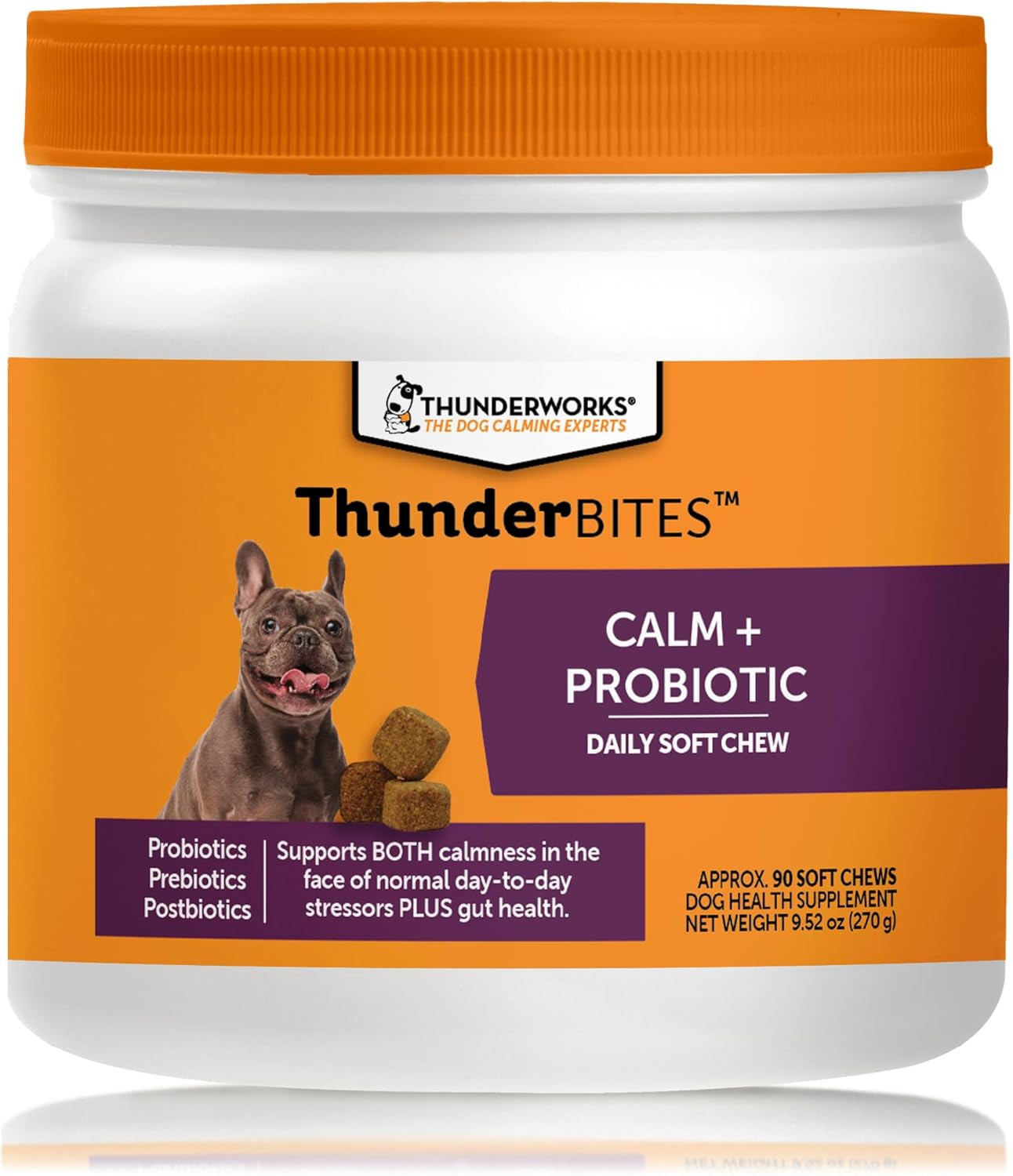
Why dogs spit them out (usually not a defect)
When a dog spits out a soft, chicken-flavored chew, the cause is almost always novelty or flavor preference rather than anything wrong with the product. A new smell, a slightly different texture, or being handed something unfamiliar can all make a dog drop it and walk away the first few times. Dogs are also more likely to reject anything new when they are already worked up, such as during fireworks or a thunderstorm, so a calm moment is a better time to introduce a chew than the middle of a stressful event.
It helps to remember why this matters: a calming supplement only does anything if the dog actually eats it. The good news is that most dogs come around within roughly a week once the chew becomes a familiar, positive part of the daily routine. The fixes below are ordered from the least fussy to the most hands-on, so start at the top and only move down if you need to.
Refusal fixes, in the order to try them
1. Hand-feed it like a treat. Offer the chew from your hand in an upbeat tone rather than dropping it in the bowl. Many dogs refuse food that appears in their dish but happily take the exact same thing when it comes from a person as a reward.
Related: -ThunderBites probiotic vs regular calming chews which better
2. Crumble it into food. If a plain offer fails, break the chew into small pieces and stir it through wet food or a spoonful of low-sodium chicken broth. The soft texture crumbles by hand without any tools, and mixing it in spreads the taste so it is less of a standalone mouthful.
3. Wrap or hide it. Tuck the whole or half chew into a pill pocket, a small piece of plain deli meat, or a pea-size ball of xylitol-free peanut butter. This masks an unfamiliar smell, which is often the real sticking point for a scent-driven dog. (Note: xylitol is toxic to dogs, so always check the peanut butter label first.)
4. Warm it slightly. Hold the chew in your palm for a minute or warm it for a few seconds so it softens and gives off a bit more aroma. Let it return to lukewarm before offering, and do not overheat it.
Related: -ThunderBites chews for small breed dogs with anxiety
5. Make it a fixed routine. Give the chew at the same point each day, ideally alongside a regular meal. Dogs habituate to a new item faster when it shows up predictably, and pairing it with something they already like helps them form a positive association.
Splitting the dose without changing the total
For a small dog, one chew can simply be a big mouthful. You can break the daily amount into two smaller portions given morning and evening. The key rule is that splitting changes the size of each piece, not the total for the day, which still follows the manufacturer's weight-based chart below. ThunderBites are intended for dogs 12 weeks and older.
| Dog weight | Total soft chews per day |
|---|---|
| Up to 25 lb | 1 chew |
| 26–50 lb | 2 chews |
| 51–75 lb | 3 chews |
| 76–100 lb | 4 chews |
Dosing per the manufacturer's weight chart. Split pieces should add up to this daily total, not exceed it.
If a piece gets spit out and you cannot tell how much was actually swallowed, do not automatically top up with extra to compensate. Note it, keep the total within the chart, and ask your vet if you are unsure. The chews combine calming ingredients such as ashwagandha, L-theanine, L-tryptophan, melatonin, thiamine (vitamin B1), ginger, and chamomile with probiotics (around 6 billion CFU), so the point of a steady daily amount is consistency, not a bigger single hit.
When to switch format or rule out illness
If the crumble-into-food approach still is not working after a week or two, the format may be the issue rather than the flavor. A supplement powder or capsule that mixes into a meal can suit a stubbornly picky or very smell-sensitive dog better than a chew, since it disappears into food more completely. There is no need to keep battling over one delivery method if another gets the same ingredients in.
It is also worth separating pickiness from a health problem. Simple preference looks like a dog that ignores the chew but eats everything else normally. Be more cautious if refusal comes with drooling, repeated lip-licking, turning away from all food, vomiting, or loose stools, since those can point to nausea or an unrelated illness rather than a fussy palate. In that case, pause and talk to your vet, who can check for an underlying cause and confirm whether the supplement is a good fit for your dog. If refusal continues past a few weeks despite the steps above, a vet visit is the sensible next move.