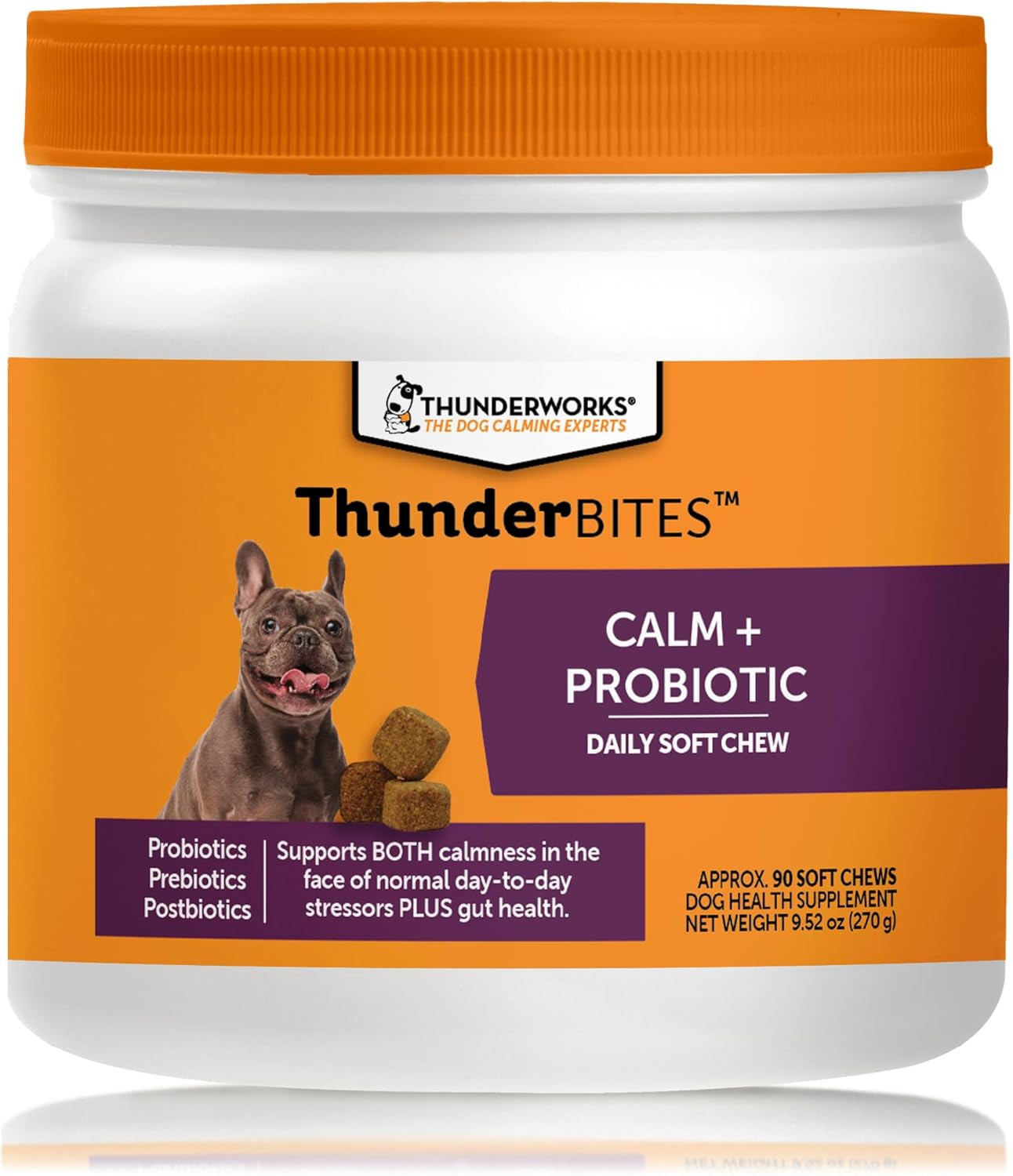
"Vet-Formulated" and NASC — What They Actually Mean
This is worth getting straight, because the wording matters. ThunderBites is sold as vet-formulated, which means a veterinarian had a hand in designing the recipe. That is a reasonable signal, but it is not an endorsement of the finished product for your specific dog.
"Vet-approved" is a stronger claim, and it is one you should treat with suspicion on any supplement. There is no official system by which vets, the FDA, or AAFCO "approve" a calming chew, so a brand claiming blanket vet approval would be overstating things. ThunderBites does not do that — and neither should we.
The other badge to know is the NASC quality seal. The National Animal Supplement Council runs a voluntary program: member brands follow a documented quality system and pass an independent third-party audit every couple of years. It is a genuine, useful signal about manufacturing quality and label accuracy. What it is not: FDA approval, or proof the product treats any condition. So NASC quality plus vet-formulated is a solid starting point, not a finish line.
Related: -ThunderBites probiotic vs regular calming chews which better
What "Daily Use" Really Means Here
ThunderBites is built as a daily supplement, not a one-off panic button. It includes probiotics, prebiotics, and postbiotics for ongoing gut support, which only make sense given day after day. The calming actives — ashwagandha, L-theanine, L-tryptophan, melatonin, thiamine (vitamin B1), plus ginger and chamomile — are meant to build a baseline of composure over time rather than knock a dog out for a single fireworks night.
That points to a distinction worth understanding: a daily-baseline supplement versus a situational one. Baseline chews are given every day to smooth out general anxiety and support gut health. Situational calmers are dosed ahead of a known stressor (a storm, a car ride, a vet visit) and skipped otherwise. ThunderBites leans baseline. You can still give it before a stressful event, but its real strength is the steady, everyday routine.
A common mix-up is treating the weight chart as optional and eyeballing the dose. Too little may do nothing; too much can mean a stomach upset. It is also for dogs 12 weeks and up, so young puppies are off the table. Here is the manufacturer's daily dosing:
| Dog's weight | Chews per day | Notes |
|---|---|---|
| Up to 25 lbs | 1 chew daily | Very small dogs may do better on a split dose — ask your vet |
| 26–50 lbs | 2 chews daily | — |
| 51–75 lbs | 3 chews daily | — |
| 76–100 lbs | 4 chews daily | — |
Stick to the chart and daily use is straightforward. Over 100 lbs, or unsure where your dog lands? Confirm the amount with your vet rather than rounding up on your own.
When Daily Use Needs a Vet Check First
For most healthy adult dogs, a daily calming chew like this is low-risk. But a few situations genuinely warrant a conversation with your vet before you make it a habit:
- Dogs on medication. If your dog takes anything for seizures, anxiety, or another condition, check for interactions first — ingredients like L-tryptophan and melatonin can overlap with some drugs.
- Pregnant or nursing dogs. Safety data is limited, so don't assume it's fine; ask your vet.
- Existing health conditions. Seniors and dogs with liver issues process melatonin more slowly, which can mean extra drowsiness. Diabetic or overweight dogs are worth a check too.
- Sensitive stomachs. If your dog is prone to loose stools, introduce it slowly — even the probiotics can take a few days to settle in.
On melatonin specifically: daily melatonin is generally considered safe for dogs at appropriate doses, and it is one reason these chews suit everyday use. Still, it is not FDA-approved for pets and supplements aren't FDA-regulated, so a quick vet check on dose and timing is smart — especially for the groups above.
Related: -ThunderBites chews for small breed dogs with anxiety
How to Review It Over Time
Daily use is not "set and forget." A calming supplement is meant to help alongside training, routine, and environment — not to paper over a problem that's getting worse. A sensible way to keep tabs on it:
- Give it a fair trial. Baseline supplements usually need a few weeks of consistent daily use before you can judge whether they're helping.
- Watch for changes. Note any new drowsiness, appetite shifts, or digestive upset in the first couple of weeks.
- Reassess periodically. Bring it up at your dog's regular checkups — is the anxiety better, the same, or worse? If worse, that's a sign to look deeper, not to add more chews.
- Loop in your vet on any med changes. If your dog starts a new prescription, re-check that the chew still plays nicely with it.
Bottom line: ThunderBites is vet-formulated, carries an NASC quality seal, and is designed for daily use — a fair fit for most healthy adult dogs' everyday routine. "Vet-approved" isn't a claim anyone can make for it, so the real approval that matters is your own vet's, matched to your dog.